Learning Scuba Diving Skills On Your Knees
Scuba diving skills taught in a kneeling position cause a plethora of problems for divers. Training in neutral buoyancy is very important!

Articles for beginner to expert scuba divers
Articles for beginner to expert scuba divers
Scuba diving skills taught in a kneeling position cause a plethora of problems for divers. Training in neutral buoyancy is very important!
A 'how to' guide for scuba diving skill development. A systematic tiered approach to ingraining fluent & intuitive dive proficiencies.

DCS and the Immune System. How bubbles trigger an immune response that can make or break your body's fight against decompression sickness.
Don't get gas mugged - The role of situational awareness in predicting and avoiding stressful air-sharing emergencies in scuba diving
Are AI dive computers a valuable investment for divers? Honest pro advice on using transmitters with air integrated dive computers.
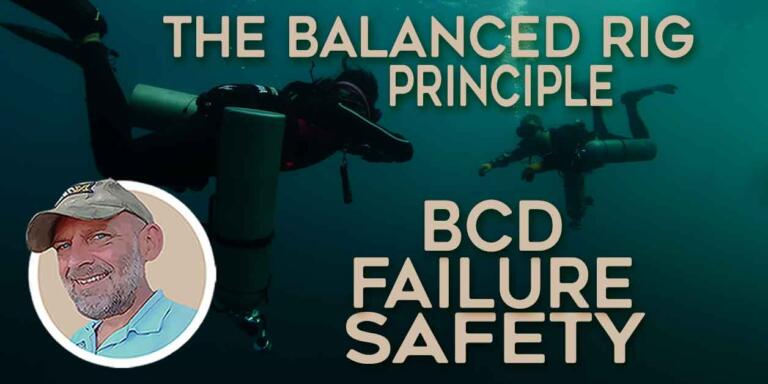
Balanced Rig Principle: improve diving safety with a calculated approach to the overall buoyancy dynamic. Survive BCD failures without drama.

Decompression sickness types and symptoms. Medical catagorizations of DCS, along with sub-clinical DCS, aka decompression stress.
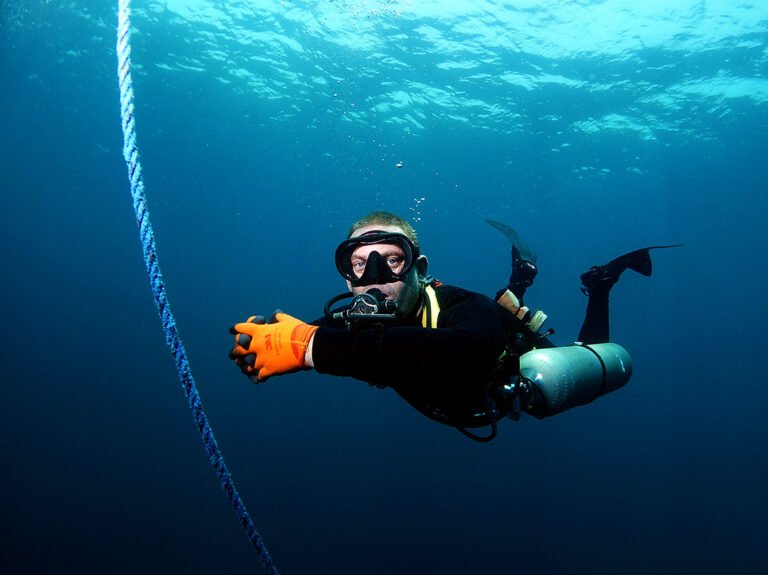
Using your hands when scuba diving is inefficient for maneuvering. Learn how to break this habit and become a better scuba diver.
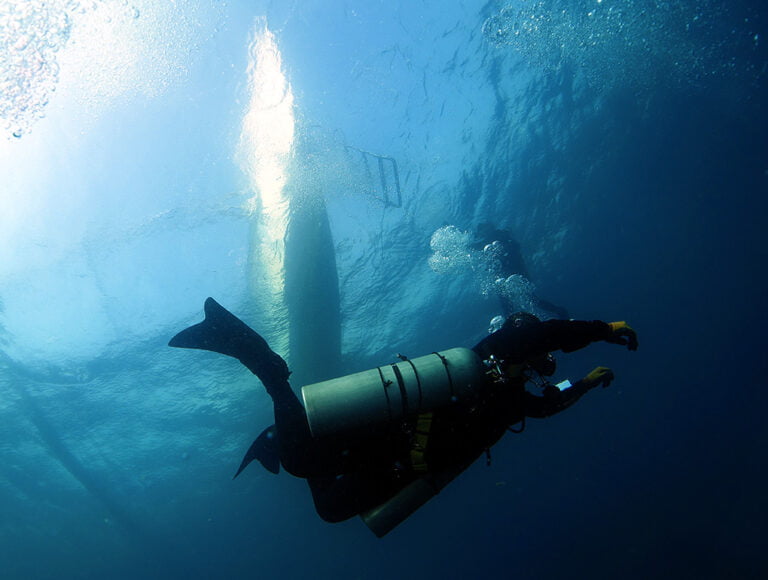
Being able to judge your diving ascent rate is an invaluable safety skill if your computer or bottom timer fails. These tips show how!
An explanation of the Scuba Gas Laws for Diving. Boyle's Law, Henry's Law, Charles Law, Dalton's Law, Oxygen Toxicity & Partial Pressures.
Sub-clinical DCS, decompression stress and post-dive fatigue. The impact of microbubbles on diver vitality and health.
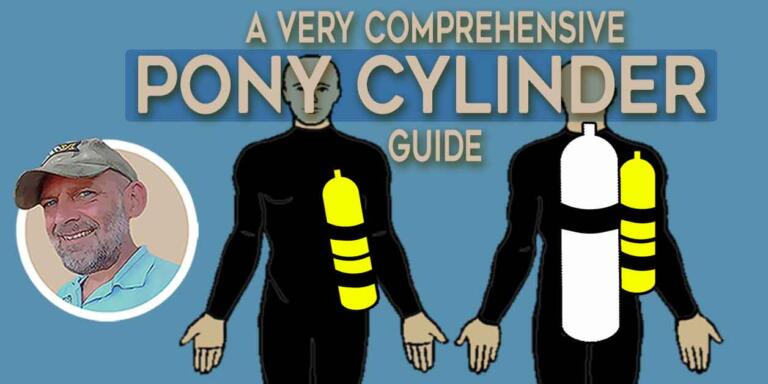
A comprehensive 'how to' guide to pony cylinder benefits, selection, gas planning and usage. Everything you need to know about pony cylinders.
There are three governing factors which determine how deep can you dive using air. Understanding those factors promotes safe gas selection.
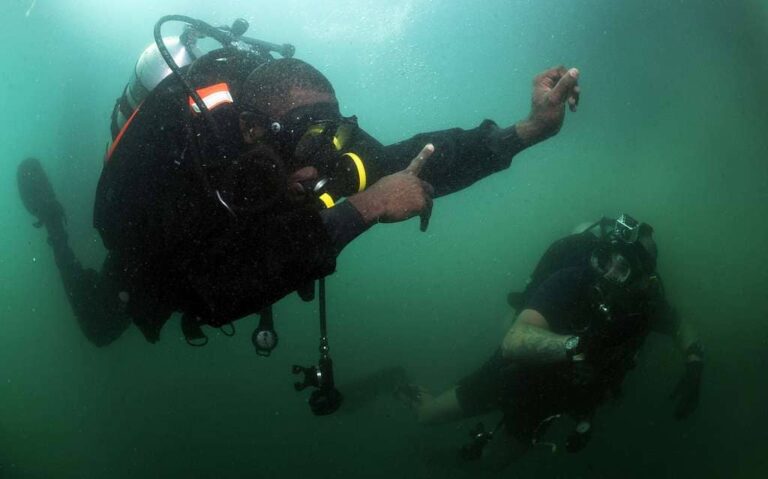
Should you choose your BCD or drysuit for buoyancy control? Find out the advantages and disadvantages of each option in this article.
Learn when to drop your weight belt to survive a scuba diving accident. Tips and advice on weight belts and technqiues.
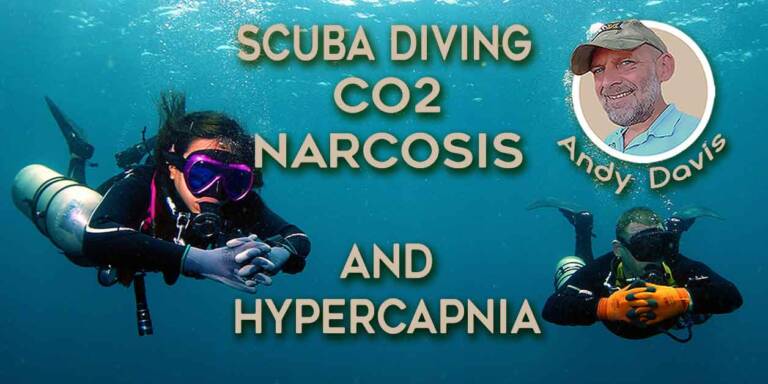
Did you know that mild CO2 retention (hypercapnia) causes acute CO2 narcosis symptoms when you are diving? Don't assume it is nitrogen!
What are the pros and cons to changing to an AIR-2 regulator inflator octopus (AAS) system? What needs to be considered? Best AIR-2 systems?

The History of Subic Bay A concise history of Subic Bay, charting 500 years of turmoil, conflict and occupation The history of Subic Bay reflects many centuries of war and turbulence. The Bay has strategic significance as a protected deep-water…
Learn how to overcome fear of mask removal when scuba diving with these expert tips. Improve your skills and confidence underwater.
Understand the characteristics, benefits & drawbacks to scuba diving cylinders. This article helps you decide between steel & aluminum tanks.

A re-published article discussing Sheck Exley's 'Razor' and the consideration of limits for overhead environment and technical divers.
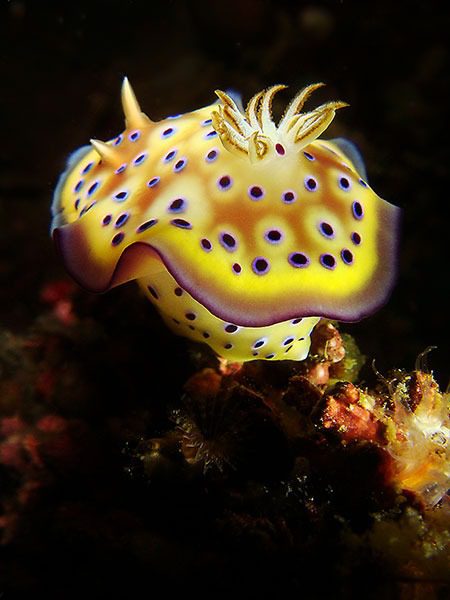
Anilao nudibranch: Philippines underwater photography from one of the prime muck and macro dive locations in the world.
The Complement System and Diving by Dr. Ernest Campbell. The role of the immune response in sub-clinical DCS & decompression stress issues.
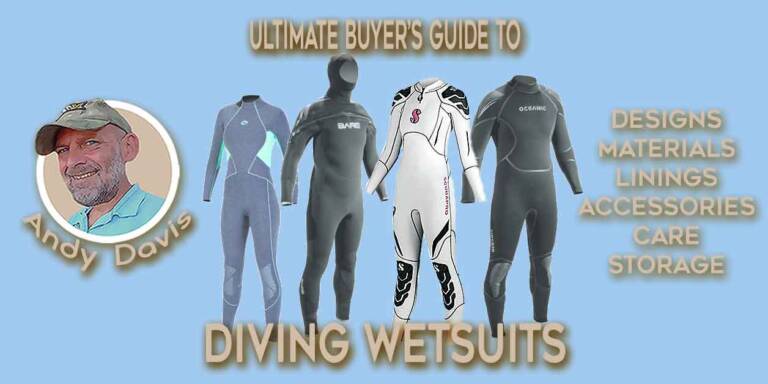
Looking for the perfect scuba diving wetsuit? My buyer's guide for divers will help you learn about materials, sizes, features, care & more!
Learn a step-by-step process for risk assessment in scuba diving and why it is vital to ensure your safety as a scuba diver!
Discover the joy of youth scuba diving for kids. A parent's guide to safe and thrilling underwater adventures for children and young adults!
Not all dive computer algorithms are created equal. Learn the differences and make an informed decision when buying your next dive computer.
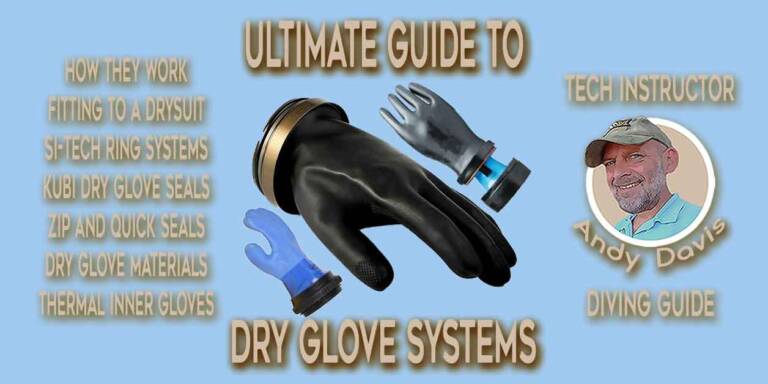
Everything about drysuit gloves! Dry glove materials, seal systems & thermal inners. Uncover the secrets to a comfortable cold water dive!
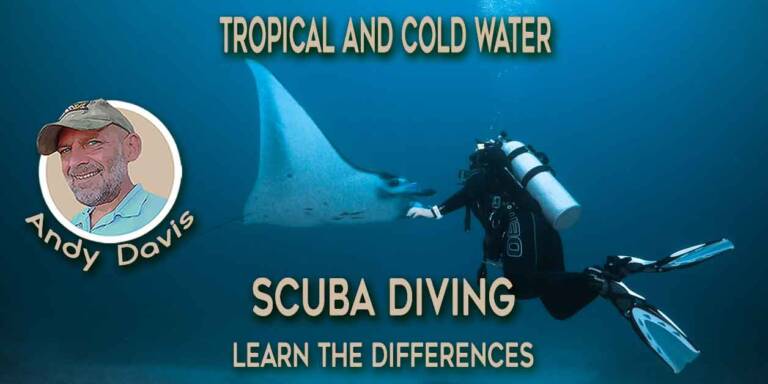
Discover the difference between tropical & cold water diving. Learn the right dive gear & techniques for safe, enjoyable diving experiences.
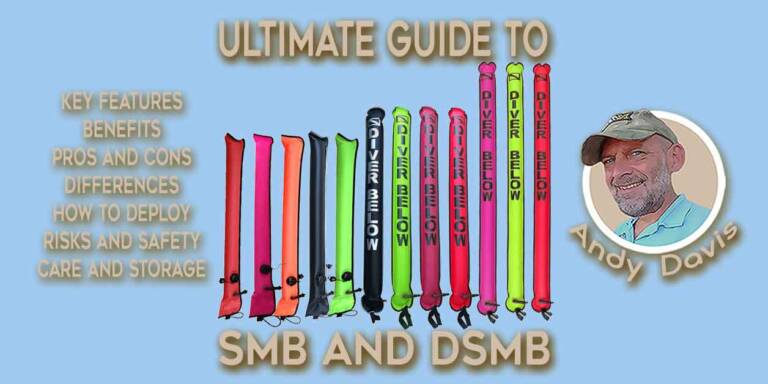
Learn how to choose, deploy, and maintain surface marker buoys (SMBs) and delayed surface marker buoys (DSMBs) for safe scuba diving!
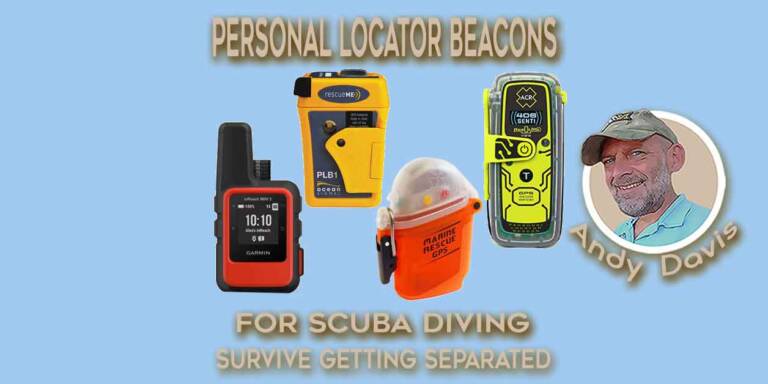
Learn about Personal Locator Beacons (PLBs) for scuba diving. A divers guide to choosing, using, and maintaining a PLB for dive safety.
Learn how dopamine & serotonin reward mechanisms shape our enjoyment of scuba diving; impacting diver safety, proficiency & active participation.
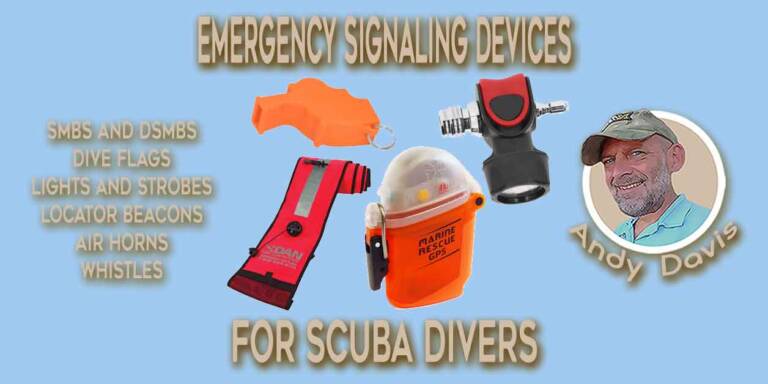
Level up your scuba diving! A guide to emergency signaling devices: types, features, proper usage, and maintenance. Dive with reassurance!
Discover blackwater diving with this ultimate guide! Learn about gear, safety, techniques, photography, marine life & best destinations.
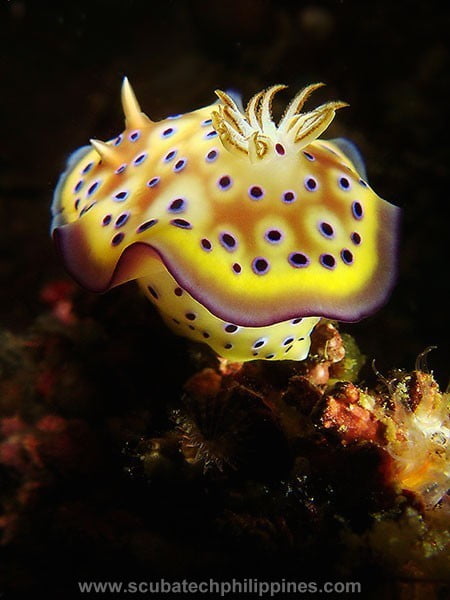
Explore the 10 best muck diving sites for macro photography in the world.
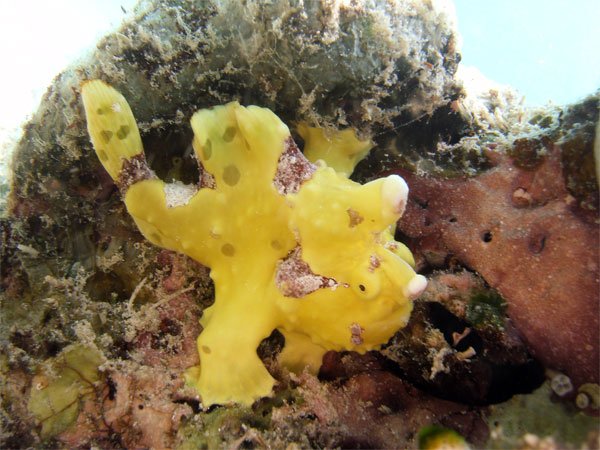
Muck diving underwater photography in Subic Bay, Philippines. Experience the rare marine life to be found in this photographer's paradise!
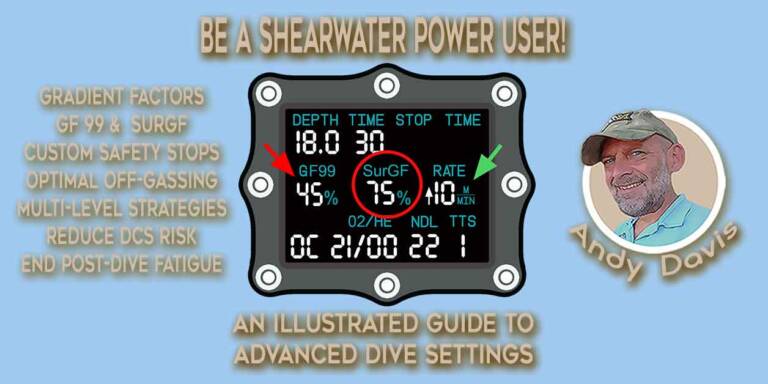
An illustrated guide to getting the best out of your Shearwater dive computer settings. Don't be intimidated by the advanced display options!
Make your air last longer when scuba diving by following these simply tips. Read the solution to end frustration of high gas consumption!
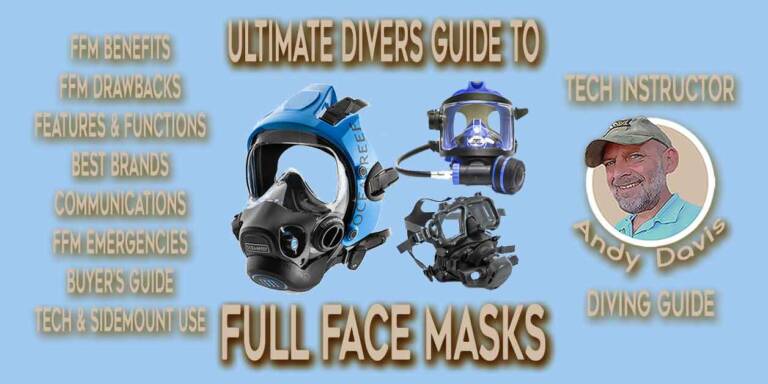
Learn everything you need to know about diving with Full Face Masks (FFM) in this very comprehensive diver guide. Buyer's advice and pro tips!
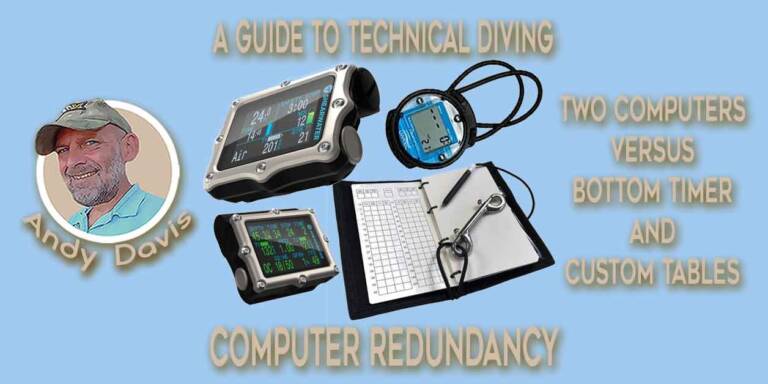
Discover the pros & cons of redundant computers versus backup bottom timers & tables in technical diving. Which option is best for you?

Scuba diving FAQs answered by an expert professional diver with 30 years of dive experience! Essential tips for safe & enjoyable dives!
Scuba Q&A Question: I was taught that “recreational divers plan all dives to be no stop dives” and also that most agencies consider 40m /130 feet as the maximum depth for recreational deep diving. That seems inconsistent when my…
Scuba Q and A: QUESTION: I am a recreational diver and I dive mostly with my husband. Our relationship issues (bickering) caused me stress. Is this a factor I should consider when scuba diving? Andy’s Answer: [no_toc] I know of…
Why do technical decompression divers use nitrox in the shallower part of their dive? Using nitrox and oxygen reduces deco time & DCS risk.